Tag Archive for: Requirements & Requirements Management Page 23
Tag Archive for: Requirements & Requirements Management
2024 Predictions for Industrial and Consumer Electronics (ICE) Product Development
As the Industrial and Consumer Electronics (ICE) sector moves into 2024, we aim to gain a deeper insight into the factors driving transformation in the development of products, systems, and software and explore how teams within this sector are adapting to meet the challenges posed by these evolving complexities.
In part three of this six-part series, we asked our own industry expert Steven Meadows – Principal Solutions Lead at Jama Software®, to weigh in on the ICE product, systems, and software trends he’s anticipating in the coming year and beyond.
We like to stay on top of trends in other industries as well. Read our predictions for Automotive predictions HERE, Aerospace & Defense HERE, Medical Device & Life Sciences HERE, SoftTech HERE, and Product & Engineering Teams HERE.
Design Trends – What are the biggest trends you’re seeing in your industry right now? How will they impact ICE product development?
Steven Meadows: The Internet of Things (IoT) continues to remain at the forefront of development across consumer electronics manufacturing. ‘Smart’ products like home security systems, laptops, kitchen appliances, and tablets are manufactured with an increasing number of sensors and inputs that transfer data to different networks and applications. With more complex and integrated systems, the need for digital product development tools to ensure product quality is becoming increasingly important.
We’re seeing a shift in oil and gas companies managing requirements from documents to digital solutions. Increasingly complex projects that incorporate the setup of facilities and adherence to multiple standards have made this shift a priority.
Cloud computing, as we wrote about last year, continues to grow across the software industry. Cloud is the golden standard, allowing for more flexible, cheaper, and sustainable solutions. More and more companies increasingly rely on cloud computing for projects and daily activities without the need for managing system administration, upgrades, and security.
Biggest Challenges – What are some of the biggest challenges you think ICE companies will be working to overcome in 2024?
Meadows: Artificial Intelligence (AI) has been at the forefront of development for years and continues to evolve, allowing for more automation, self-maintenance and diagnosis, and other areas which have improved end products.
One challenge I see for industrial and consumer electronics companies to remain competitive is incorporating AI in their products to help with less costly maintenance and production lines. AI-assisted firmware development will help with this.
Regulations – What changing regulatory guidelines do you anticipate having an impact on companies in 2024?
Meadows: I have attended several conferences this year across different industries and it’s safe to say that more regulatory guidelines around artificial intelligence will be released and impact companies in 2024. This will certainly have an influence on product development and what companies can include in their products. It will be interesting to see what guardrails the government and other entities will enforce.
Tool Innovation – From an ICE engineering toolset perspective, what are some of the processes you think forward-thinking firms will be working to leverage or incorporate into their process and why?
Meadows: We’re seeing several trends across industrial and consumer electronics development. Companies at different scales, from startups to large enterprises, are placing a greater emphasis on maturing effective internal development processes and tools.
Requirements authoring has often been challenging for teams with differing experiences. Poorly defined requirements often lead to poor products and systems, more defects in the field, and costly recalls. Companies are embracing AI and machine learning in their toolset to help teams author better-quality, less ambiguous, and easily testable requirements. By applying the industry’s best-known methods for evaluating and recommending improvements across requirement statements, including the Easy Approach to Requirement Syntax (EARS) and International Council on Systems Engineering (INCOSE) guidelines, companies are noticing significant improvements with products being shipped to customers.
Our customers continue to see the value in shifting their product development process, enabled through a document-centric process, to a modern digital solution. With Live Traceability™ – and all development artifacts housed in a single source of truth inside Jama Connect® – development teams benefit from a real-time view of related artifacts and development activities. This is enabling our customers to reduce risk early on, speed time to market, as well as improve product quality.
What advice would you give to new companies entering the ICE industry?
Meadows: Make sure you place an emphasis on solid product development processes and tooling early on, even at the prototype stage. Your ideas may be great but unless you have an effective development process defined early on with the right tools to enable it, your products will ultimately suffer, and you’re introducing unnecessary risk.
2024 Predictions for Aerospace & Defense Product, Systems, and Software Development
As the aerospace & defense industry advances into 2024, we aim to gain a deeper insight into the factors propelling transformation in the development of products, systems, and software, and explore how teams within this sector are adapting to meet the challenges posed by evolving complexities.
Jama Software® asked selected thought leaders — both internal Jama Software employees and our external partners — across various industries for the trends and events they foresee unfolding over the next year and beyond.
In part two of this six-part series, we asked the following industry experts to weigh in on the aerospace & defense product, systems, and software trends they are anticipating in the coming year:
We like to stay on top of trends in other industries as well. Read our Automotive predictions HERE, Industrial & Consumer Electronics (ICE) HERE, Medical Device & Life Sciences HERE, SoftTech HERE, and Product & Engineering Teams HERE.
Design Trends – What are the biggest trends you’re seeing in your industry right now? How will they impact aerospace & defense product, systems, and software development?
Francois Couadau: There is a lot of attention, both in academia and within the industry, around Artificial Intelligence (AI) / Machine Learning (ML.). These technologies promise many exciting applications, such as single-pilot operations for cargo and commercial flights or supercharged Intelligence, Surveillance, and Reconnaissance (ISR) capabilities for the defense sector. They have a long way to go before they’re certified for flight, but experiments are everywhere.
Guilherme Goretkin: Big trends towards more modular and loosely coupled architectures with open systems approaches like Modular Open Systems Approach (MOSA) and PYRAMID Reference Systems (PRA) utilizing open publicly available interoperability standards like Future Airborne Capabilities Environment (FACE) and ARINC 661 with the goals of reducing program risk, more software interoperability, reuse, and better sustainability.
Cary Bryczek: The biggest design trend is figuring out ways to incorporate AI into systems and products in a safe way.
Karl Mulcahy: I’m also seeing a need to work together as a consortium to deliver a product for an end customer. It’s fascinating to see how companies are approaching this, and working together across different networks, countries, and even industries.
Biggest Challenges – What are some of the biggest challenges you think aerospace & defense companies will be working to overcome in 2024?
Couadau: In the avionics projects domain, growing complexity and ever-shorter timelines go hand in hand and are the main challenge.
Bryczek: The biggest challenges are protecting against intellectual property (IP) loss and preventing security incidents from adversaries. Both the United States and European countries defense organization have set forth mission statements to protect technology advantage and counter unwanted technology transfer to ensure warfighter dominance through assured, secure, and resilient systems and a healthy, viable innovation base.
Mulcahy: On top of IP protection like Cary mentions, I believe there is a desire to modernize ways of working to help drive efficiencies in existing operations, but also to attract / retain new and emerging talent. By having best–of-breed tools, it can help attract best-of-breed talent and facilitate an easier way to realize innovation.
Regulations – What changing regulatory guidelines do you anticipate having an impact on companies in 2024?
Couadau: In keeping with the trends, AI/ML is currently not certifiable due to lack of specialized standards. Standardization efforts are ongoing, and we should see the first documents emerge soon.
Unstable global geopolitics may also play a part. Sanctions and embargoes may change the shape of markets.
Goretkin: Cybersecurity. “DoD [Departement of Defense] policy generally requires all acquisitions containing mission-critical or mission-critical IT systems to have a cybersecurity strategy” – GAO-23-106059 Weapon Systems Annual Assessment June 2023
Bryczek: In the US the Department of Defense will continue providing more guidance on its 2023 DoD Cyber Strategy. In 2024 you will see more guidelines provided to Defense Components as well as instructions in contracts to encourage the increase of collective cyber resilience by building the cyber capability of allies and partners. Lessons learned from the war in Russia-Ukraine has sparked commentary from Assistant Secretary of Defense for Space Policy John Plumb to say. “It has driven home the need to work closely with our allies, partners, and industry to make sure we have the right cyber capabilities, cyber security, and cyber resilience to help deter conflict, and to fight and win if deterrence fails.”
Mulcahy: With sustainability a renewed global focus, especially with recent initiatives such as the 28th meeting of the Conference of the Parties (COP28), more focus will be turned to sustainability, efficiency, and developments in greener technology such as electronic / hydrogen / hybrid airborne travel. It’s exciting to see many start-ups in this domain.
Maybe we’ll see something around unmanned aerial systems regulations come to fruition – again with the increase of use cases in civilian / defense markets for these unmanned aerial vehicles (UAVs.)
Tool Innovation – From an aerospace & defense engineering toolset perspective, what are some of the processes you think forward-thinking firms will be working to leverage or incorporate into their process and why?
Couadau: Model-Based System Engineering tools and methods are continuing to mature and are a key pillar for complex aerospace projects. Generative AI, applied at key spots during design, is also a key design accelerator.
Bryczek: Forward-thinking organizations will be focusing their processes and supporting tools around these areas of systems engineering: Digital Engineering, Modular Open Systems Approach (MOSA), Agile DevSecOps Development, and Mission Engineering (ME). Each of these areas touch aspects of systems engineering lifecycle management and require tools to support the newer techniques. Data integration across disparate tools such as software code version control, enterprise architecture modeling tools, requirements tools, mission simulation tools, and a variety of specialized analysis tools are some of the keys to success. Open standards such as the newest version of SysML 2.0 is driving new tool innovation from both long-standing tool vendors and companies that are new to the marketplace. Processes such as mission simulation will take place much earlier in the lifecycle and will reduce the cost of some of the Verification & Validation (V&V) efforts from traditional approaches.
Mulcahy: With digitization a big focus to start / advance with in 2024, we anticipate more discussions around MBSE (in line with SysML 2.0), but also Digital Engineering** – to connect with other tools in house and work towards a Digital Twin.
Not only could this include tools that help develop software, manage parts / simulations / detailed design aspects, but also ones that ensure validation and verification are undertaken sufficiently, proving out compliance to various industry mandates — especially when it comes to safety critical systems.
With many mergers and acquisitions continuing to be a part of this industry, re-use, collaboration, and auditability will increasingly become important. Knowing who changed things, why they were changed, and a record of the associated discussion will be invaluable as new products are designed — whether they have been designed from scratch or using existing IP. Not only would this save time understanding the complexities, but also help capture that knowledge to be able to transfer it to other organizations or teams who may not have been involved in original projects.
What role will cybersecurity play in aerospace & defense development in the coming year and beyond?
Bryczek: Cybersecurity is being prioritized nearly above all else in developing every type of system, from vehicles, to satellites, to commercial and military aircraft, and the systems that perform command and control. Any system that is connected to a network or connects to other computer systems via a removable cable, whether it is operating in an air-gapped environment, embedded within an aircraft, or touching the public internet are equally scrutinized for known vulnerabilities and are being required to adhere to security policies during development. DevSecOps strategies are putting security at the forefront during all stages of the lifecycle now instead of just being a post development process. In addition, we’re seeing organizations, more often now than ever, providing human-centric training to employees around good cybersecurity practices.
In your opinion, what are the biggest differences between aerospace & defense companies that will survive to see 2030, and ones that don’t?
Couadau: Adaptability is the name of the game. In addition to the market pressures, we are used to, the aviation industry is tasked with ambitious carbon reduction goals. International Air Transport Association (IATA) predicts that 1.8 gigatons of carbon will need to be abated yearly by 2050**. Companies that embrace this change now are bound to find success in a low-carbon future.
Bryczek: The aerospace and defense companies that retain top talent, spend design dollars wisely, and make winning partnership decisions will help companies survive to 2030.
Mulcahy: Embracing modern ways of working to enhance competitive advantage by delivering projects on time / to scope.
What advice would you give to new companies entering the aerospace & defense industry?
Bryczek: New start-ups need to embrace design-thinking principles right from the outset. Early collaboration involving the target end users such as military personnel together with the engineers, designers, and data scientists will lead to faster validation of the design’s requirements and ensure that the new capability is solving the needs of the users. Companies will also need to embrace new technologies like AI, machine learning, 3D printing, and multi-scale and multi-physics simulation.
Mulcahy: With ever-changing regulations, work with experts to help your company adhere to them. Embrace help and guidance from industry experts to allow you to focus on your new innovation to the market and not re-invent the wheel.
Furthermore, working with best-of-breed tools will allow you to attract new talent and help achieve innovation quicker.
What topic(s) do you wish companies were paying more attention to?
Bryczek: As systems become more software-centric, security regulations, especially those related to cybersecurity become increasingly more relevant and unavoidable. The updates to security frameworks such as the National Institute of Standards and Technology (NIST) – and Network and Information Systems (NIS) in EMEA — as well as cybersecurity frameworks such as Cybersecurity Maturity Model Certification (CMCC) are no longer applicable only to government organizations but now extend to any contractor that is performing work for governments as well. As challenging and expensive as it might be to implement security practices and design security into applications throughout development and operations, not doing so from the beginning will cost more in the long run and in some cases might prevent going to market.
What is the biggest mistake you see companies in aerospace & defense making right now?
Bryczek: The biggest mistake I see companies make is assuming their legacy tools are good enough for today’s design and development environments. They simply aren’t. Legacy tools were built around document-based processes and not model-based or simulation techniques used in modern development environments. In the long run it costs more in man hours and license costs than the switch to more modern tooling.
Mulcahy: Agree here with Cary. Legacy tools prohibit companies from real collaboration and are often customized to outdated ways of working where support can no longer be given.
With more tools now available today, and in the future – the need to be open for integrations is more crucial than ever as we aspire towards the digital world
What is the most innovative thing you’ve seen in aerospace & defense this year that you anticipate other companies following suit in coming years?
Couadau: Many of the experienced players have already embraced Digital Engineering and are using it to come up with automated frameworks that alleviate certification activities. I expect that the industry will align around these practices. The entry ticket is expensive but the shortened time to market is worth it.
Bryczek: The most innovative thing I personally saw was a large aerospace company making use of internal generative AI to assist with developing specifications and planning documentation. Heavy documentation which previously took four months to author, review and approve, took only a couple of weeks. AI is spreading into many other areas of the business including training and simulation. It is most certainly being used today by warfighters in Gaza and Ukraine to create realistic training simulations to predict outcomes of various defense strategies and enhance preparedness.
Mulcahy: For an industry that is very security conscious, I’m seeing more companies embrace the cloud to get better total cost of ownership, scalability, and performance from their engineering tools. Furthermore, an increase in consortium working together to break boundaries and define new ways of working together (often across time zones and cultures) I think will become more of the norm. In addition, we see organizations utilizing companies / partners to provide strength in specific and unique areas of expertise to develop groundbreaking technology.
Do you think there will be any major disruptors in aerospace & defense in the coming year? How do you think it will impact the industry?
Couadau: We have discussed many influencing factors already: emerging technologies, environmental goals, and a changing geopolitical context are all strong forces that can challenge the status quo.
What do you predict for regulation in the aerospace & defense industry in 2024?
Will those trends still be prevalent five years from now? 10 years?
Couadau: We should see the first standards emerge around AI and Machine Learning. On our end, we happen to be contributing to SAE ARP6983. We expect these standards to lay a solid foundation for safe, observable, and certifiable AI in aeronautics for the coming decades.
Bryczek: The aerospace and defense industry will continue to be challenged with environmental decarbonization initiatives such as the Paris Agreements. More to come here.
Mulcahy: Many of our customers are working on new systems in the Aerospace Industry. Whether that’s for UAV’s, Electric Vertical Take-Off and Landing (eVTOL), AirTaxis, etc, there will need to be more regulations developed here for the development of UAVs for example, but also to govern usage of the products in the sky. Furthermore, as these start to become more of the norm, regulation will need to be established for the surrounding infrastructure, usage, and purchase of these for the consumer market.
As more companies near release dates, more will be developed regarding these regulations, with of course current regulations also enhanced to better serve today’s needs.
With more global conflict at the forefront of our lives, and with other tensions continuing to escalate, I expect defense spending to be increased in anticipation of future conflicts, with new products being developed to gain advantage.
Linking with the above, I see Space being an area of further exploration in the defense sense, but also commercialization — whether it’s advancing the space race or decluttering space (as an example). I anticipate more startups in this sub-industry.
2024 Predictions for Automotive Product, Systems, and Software Development
As the automotive landscape accelerates into 2024, we want to better understand and discuss what is driving change in the development of products, systems, and software, and how teams are evolving to address these complexities.
Jama Software® asked selected thought leaders — both internal Jama Software employees and our external partners — across various industries for the trends and events they foresee unfolding over the next year and beyond.
In part one of this six-part series, we asked the following industry experts to weigh in on the automotive product, systems, and software trends they are anticipating in the coming year:
We like to stay on top of trends in other industries as well. Read our predictions for Aerospace & Defense HERE, Industrial & Consumer Electronics (ICE) HERE, Medical Device & Life Sciences HERE, SoftTech HERE, and Product & Engineering Teams HERE.
2024 Predictions for Automotive Product, Systems, and Software Development
STEVE NEEMEH: Electrified power continues to be at the forefront of today’s automotive industry. Governments are driving this prioritization through regulation. For example:
Norway: The first in the world, aims to have 100% zero-emission cars by 2025.
Netherlands: 100% electric vehicle sales by 2030.
India: 30% electric mobility by 2030.
China: 20-25% of new car sales to be electric by 2025.
France: Ban on fossil fuel-powered vehicles by 2040.
UK: Ban on the sale of new petrol and diesel vehicles by 2030 and hybrids by 2035.
USA: California leads the way with executive order N-79-20 which sets a 2035 date for ZEV sales.
Germany: Ban on combustion engines by 2030
The mainstream acceptance of electric vehicles took a huge step over the last decade but will hit roadblocks along the way going forward, as the infrastructure, engineering tools and capability, supply chain, and consumer acceptance, slowly catch up with the dream of pure clean mobility.
The trends are moving towards software and software-enabled and defined vehicles. Although clean technology powers vehicles, software can make it a reality by overcoming some of these challenges. Connected vehicles, optimized power management, services on-demand, improvements in reliability and maintainability, and, of course, autonomy, are all powered by software.
CHRISTIAN SCHRADER: SDV – Software Defined Vehicle. The value perceived by the driver and the passengers today is largely driven by software: GPS, autonomy functions, virtual displays in the car including head up display (HUD), infotainment system, connectivity with mobile devices, cloud services, over-the-air updates. Also new value recognition (paid software services in the car/cloud).
Classic Autosar control applications will remain an ongoing topic for classical subsystems: steering, braking, headlamp control, battery etc.
JUDY CURRAN: As far as how the vehicle looks:
Lighting design continues to differentiate sports utility vehicles( SUVs) and trucks between original equipment manufacturers (OEMs.)
Potential move back to new car-like body styles after years of SUVs, cross-over utility vehicles (CUVs.) Aerodynamics are improved in cars, and cars are less expensive to help offset the cost of electric vehicles (EVs.)
Growth of smaller vehicles, and/or less contented vehicles as cars are becoming unaffordable; for example, less leather, more man-made leather likes. Less buttons; everything on the screen. However, there will still be a growing number of premium vehicles which will be highly contented. We will see many high price vehicles, and a drive toward a larger group of low-priced vehicles. The middle class is getting pushed out of the middle-priced vehicles. Most OEMS will want to win the business of the high price vehicles for obvious reasons.
Less vehicle refreshes; it is too expensive to do a minor facelift. Customers don’t expect these any longer. Components will be used for a longer number of years, and potentially across vehicles to save money.
As far as how the vehicle operates:
More EVs, but not 100% anytime soon. Not affordable… see biggest challenges.
More software driven features; again, cheaper to change only the software, not the hardware to offer a new feature like automated braking, or stop-go
Moreover, the air-software drops; OEMs able to solve quality issues with improved software releases, and charging customers for new features after the original sale of the vehicle.
Most valuable features for customers are assisted driving, or improved experiences. Less customer chatter about 0-60, hp, drive and handling, etc. — more about keeping customers safe and making their lives easier.
Autonomy continues to be quite a way out in the future; more ADAS features.
MATT MICKLE: One of the biggest shifts that we see is moving from internal combustion engines (ICE) to EV, we see this across the board largely due to regulations that back the production of electric vehicles. As the focus moves towards electrification, the significance of software becomes critical, and this changes the dynamic of how OEMs and large suppliers think about aspects of their business including the processes and tools that support them. The expertise required is extremely different and we see dramatic shifts in personnel to account for this.
The other obvious shift is with vehicle intelligence, which also relies heavily on software. More and more we move towards higher levels of autonomy faster than expected and automakers are needing to adapt quickly to keep up, leading to many dramatic changes. There are also many advancements related to this in regard to how mobility is achieved. With the rise of car sharing and mobility as a service, the need for the ability to update the vehicle on the fly and have modularity throughout the vehicle are essential to sustain the rapid increase in adoption and demand of these services. I’ve heard multiple people talk about how their children never plan to get licenses, it’s not even interesting to them.
STEVE RUSH: The software defined vehicle will continue to be a major trend in the next year. Feature development and new technologies will emerge as this trend becomes a reality.
Localization of mobility is another major trend. I’ll touch on this in the regulatory section.
Biggest Challenges – What are some of the biggest challenges you think Automotive companies will be working to overcome in 2024?
NEEMEH: From a business standpoint, electrified power continues to dominate the headlines, but the headlines have changed.
Leading automotive company has delayed $12B in EV spending and the message is that the consumer is unwilling to pay a premium for EVs.
GM-Honda scrapped a $5B plan to co-develop infrastructure around EVs.
Compounding the problem is the availability of money. Interest rates have been rising and are currently at the highest they have been in a generation. This makes capitalization difficult for startups, and the list of bankrupt startup EV companies is getting longer. Proterra, Lordstown, IndieEV, and WM Motors, are just a few examples. Availability of investment is going to impact technology development and limit the applicability of EVs. However, the business case is evolving and with international government support, it is by no means going away.
SCHRADER: Managing software complexity
CURRAN:
Profitability of electrified vehicles. Most are not profitable. Expensive new technology combined with the general affordability of new cars. Customers, especially younger customers, struggle to afford housing, and vehicles with higher interest rates.
Transitioning suppliers from ICE to EV components but keeping ICE strong. Making sure those suppliers that primarily profit from ICE remain profitable, and don’t go bankrupt on lower volumes. ICE can still make up 50% of the volume in the next decade, and we need the ICE suppliers to survive.
Hiring right skills; software skills, simulation skills
Labor cost; especially for the non-union plants now that they see the packages agreed by the United Auto Workers (UAW.) Potentially more unionization.
Too many companies in the business; too many OEMs now with all the new Chinese, and EV companies. The population is not growing at the same rate as the ability to produce cars. There will be consolidation. Too many suppliers of some commodities; for example, 80+ lidar suppliers. There will be consolidation.
MICKLE: Clearly automakers have faced many challenges with their supply chain in recent times whether it be from semiconductor shortages, lack of battery production facilities, geopolitical events, or world health crises. Some of these things still linger and will continue to cause a challenge in the industry, but additionally, I would say many of the same things that are driving advancement within the industry are requiring such a shift that they also present many challenges to overcome.
With a change to more of a software focus, there is an extreme shift in the expertise that is needed for the production of vehicles. Suppliers with a large focus in ICE are already starting to try and shift their business models with the eventuality of this disappearing almost completely. As so much focus is put on software, companies are scrambling to deal with prevention of cyber threats. Also, battery technology, infrastructure and production have to keep up with the exponential demand.
RUSH: Data. The software defined vehicle will present a number of challenges from a data perspective – connectivity and communication with the vehicle, storing and retrieving it efficiently and at scale. This is a major challenge. Traditional web technologies like REST APIs simply won’t meet the communication and connectivity need. New technologies will emerge to support connected vehicles.
Regulations – What changing regulatory guidelines do you anticipate having an impact on companies in 2024?
NEEMEH: The regulations promoting EVs that I mentioned before will not change in the short term. They will continue to drive innovation to overcome the challenges of modernizing our transportation networks.
A good example is the research being done at Purdue University to electrify the highways themselves so that charging can be done while the car is in motion. These kinds of breakthroughs would change the landscape and the paradigm by which we view vehicles. Today we see charging stations replacing gas stations with the limitation being the time it takes to charge. What if we didn’t need charging stations? The latest press release on the topic can be found here:
SCHRADER: Continued and increasing ISO 26262 demands in the wake of ADAS/AD functions. SOTIF for ADAS/AV. Also increased cybersecurity constraints (an insecure software in the car is a detriment to the SDV value recognition).
CURRAN:
Regulations will continue for customer safety; active/ADAS safety and passive/crash safety.
Regulations will continue for environment; fuel economy, percent EVs, zero carbon footprint.
MICKLE: I think the biggest challenges when it comes to regulation are mostly around policies that have been put in place to either accelerate the shift to EV or to take advantage of the safety benefits from AD and ADAS systems. For example, the Climate plan which has set a deadline for the sale of non-zero tailpipe emissions by 2035, or the Inflation Reduction Act to incentivize the transition to electric vehicles. This is causing major disruption as automakers have to adapt quickly.
Regulations themselves are adapting and rapidly being developed to ensure that safety and security are considered first and foremost. Also, standard bodies are working to harmonize in order to ensure that as complexity increases, the ability to maintain safety and security in development doesn’t become a tangled mess of jargon and specialized knowledge but is accessible. This is especially important as there are starting to be many more new players in the industry offering new technologies and causing the need for constant communication and integration.
RUSH: The regulatory space is quite murky when it comes to the future of mobility, and we are not likely to see broader regulatory alignment at the national or global level – it will be driven at the local level by municipalities and communities. Communities are demanding more transparency when it comes to safety concerns. I think partnerships between municipalities and mobility companies will deepen which will clarify the regulatory space.
Tool Innovation – From an Automotive engineering toolset perspective, what are some of the processes you think forward-thinking firms will be working to leverage or incorporate into their process and why?
NEEMEH:ASPICE 4.0 has just been released for review and adoption. Most notable are the changes to include hardware and machine learning in an attempt to adapt to the technologies that are impactful for automotive companies. This release and functional safety put a tremendous focus on the establishment of tools and processes as a part of an organization’s engineering development, release, and production process. Software is becoming the focus of development as a part of the movement towards software-defined vehicles, and the ALM tools are at the heart of the quality of these software systems.
SCHRADER: “Real” MBSE processes: Moving from separated “islands” to a more seamless end-to-end MBSE workflow. This is already of utmost importance and will continue to be like this beyond 2024.
CURRAN:
Using AI/ML techniques on the wealth of data that they have; help develop new products faster by being able to mine data for similar designs. This is especially important for suppliers who design the same part for tens of vehicles a year; examples — sensors, latches, antennae, etc.
Using simulation to validate designs instead of physical testing; this has been a goal for years and will continue to improve. There will never be zero testing, but definitely less testing and later in the program.
MICKLE: First, is that organizations need to find a way to keep track of all of the moving pieces, especially with regards to the integration of more and more software. Software and systems engineering teams traditionally work in very different ways and now will have to come together to handle the rapid change necessary for continuous development of software, while still adhering to the rigorous change management needed for compliance.
Additionally, organizations need to find ways to easily communicate with other players in their supply chain to adapt to the rapid pace of development — without dangerous gaps in impact from changes that may be made. It is essential that they need to find a way to not only communicate but understand the overall state across the supply chain.
RUSH: Configuration management will be the central shift from a process and tool capability standpoint. Configuration management, meaning the reuse of engineering assets across different variants and feature sets as well as branching from previous engineering work to kickstart new work. Many traditional automotive and semiconductor companies have been doing this for some time, but the burden of legacy tools with clunky and complicated user experiences will drive a shift toward more modern tooling.
Younger companies have matured to become multi-platform companies. This will drive configuration management needs at these younger companies.
What role will cybersecurity play in Automotive development in the coming year and beyond?
NEEMEH: Software-defined vehicles mean connected vehicles, which in turn means vulnerabilities. The UN treaty UNECE WP.29 defines a protocol to follow for compliance. Many countries have signed this treaty and full-blown implementation of the required cybersecurity management systems has begun with many OEMs. These cyber systems are essentially processes that are corollary to functional safety and require the right tools and processes to be implemented in the management of the software systems. This is another reason to focus on “how” you are developing your vehicle and not just what you are developing. The most difficult part to deal with in cybersecurity is the crossover between IT, Engineering, and Operations. There isn’t one owner. Therefore, orchestrating implementation requires cultural change within an organization.
SCHRADER: End customers take secure cars as a given. On the contrary a “proven insecure” car cannot survive in the market, and it will put shade on the entire brand (e.g. Jeep in the past). Cybersecurity is a foundation to build SDV upon, if you will.
CURRAN:
I think as software controls more of the safety features, it will be important that customers remain safe; no defects in the software or cyber-attacks of the software.
Keeping vehicles secure; too many cases of easily being able to start and steal a vehicle.
Data Ransomware can be costly, and will remain top of mind.
MICKLE: Cybersecurity is imperative. Software within vehicles will only take more and more of a central role and as a result, safety is tied to security more and more.
RUSH: The importance of cybersecurity and adherence to standards like ISO 21434 will be more important each year than it was the year prior. As new technologies emerge and the connected vehicle becomes more embedded in our lives, cybersecurity needs will be of the utmost importance to ensure adoption and build trust with consumers.
In your opinion, what are the biggest differences between Automotive companies that will survive to see 2030, and ones that don’t?
NEEMEH: As an engineer, I would love nothing more than to say technology. As a business leader, I know that the answer to this question is cash flow. The cost of money and the time value of money have both changed dramatically. Investment dollars are very hard to come by in our present environment.
SCHRADER: Those that understand software will survive. Those that understand mechanical engineering only will produce the car shells of the future, going from an OEM to a kind-of Tier 1 role. Or do you know who is actually manufacturing the case for an iPhone or a Samsung phone?
CURRAN: This hasn’t changed in years. Companies will survive if they can produce high quality, affordable, and innovative vehicles. It’s a three-legged stool. Innovative covers styling and features that the customer wants. If you don’t have these three, you will not survive. Quality is important, because as the second biggest expense in your life after a house, it better last. Affordability is obvious – if it is not affordable by enough people to make your company profitable, then you will not survive. Finally, your product needs to be desired.
MICKLE: The ability to keep up with the rapid pace of advancement of technology within the industry. There will be more changes that will be unexpected and the ability to swiftly understand the impact of those changes and adapt will be important. Also, more communication and collaboration with other players in the industry will help standards and best practices evolve with the pace of the technology.
RUSH: Automotive companies need to put their customers— drivers and passengers and the surrounding community alike — at the center of their development. There must be a higher purpose toward the future of mobility and the connected vehicle — one that puts safety and equity at the forefront of the mission. Feature development must go beyond simply monetizing the connected vehicle — it must make life easier and better for all of us. Automotive companies that miss this and focus on building flashy features or focus too much on monetization will miss out and likely won’t survive in the long term.
What advice would you give to new companies entering the Automotive industry?
NEEMEH: Develop an infrastructure to deliver high-quality software and provide a mechanism to scale delivery in an automated fashion. AI can speed up the development and delivery of software, and the right tools (like Jama Connect®) and equipment can automate the validation. That is the future. Don’t live in the past.
SCHRADER: Focus on new, valuable stuff: Autonomy, software, electrification
CURRAN:
Have a big bank account. It takes billions of dollars to get into this business; to build the plant, as well as to hire the engineers to design the car, and then the marketing/brand/warranty costs.
Make sure your strategy delivers quality, affordability, and innovation/desired to be owned.
If you are in the industry and on the edge to surviving, start to think about partnerships.
MICKLE: I would say to establish a holistic approach to keeping safety, security, and development in harmony rather than in isolation.
RUSH: Put the driver, passengers, and the community first when it comes to feature development.
What topic(s) do you wish companies were paying more attention to?
NEEMEH: Standards and regulations are evolving very quickly. A specification like ASPICE and ISO 26262 comes out and it implies a complete overhaul of engineering departments. It seems like an afterthought with many companies, but the implications are huge.
SCHRADER: Focus on software development: Different kinds of software, better tools and processes for these. Stuff that has been working well 15 years ago might not be state-of-the-art any more…
CURRAN:
Don’t forget the basics. New and old OEMs get enamored with EV, advanced driver assistance systems (ADAS), and SDV, but then make sloppy mistakes and have recalls on old technologies. Just looked at last week’s recalls, aluminum bolts loosening on a camshaft housing, connecting rod bearings, defective weld causing a water leak into electronics, driveshaft failures, interior materials have wrong level of fire retardant. And it is across the board, BMW, VW, Subaru, Honda, etc.
Simulation is great for the new technologies, but it could also really help improve the quality of the “traditional” components.
MICKLE: I would say cross training their safety, security, and development teams to ensure that there are not such differing objectives between them.
RUSH: Cybersecurity. Many companies have not yet developed or have underdeveloped procedures culture around this practice.
What is the biggest mistake you see companies in Automotive making right now?
NEEMEH: It is already clear that the EV world is going to face infrastructure issues, power delivery problems, supply chain constraints, and consumer adoption issues. Poorly predicting consumer behavior patterns, failing to anticipate the infrastructure and technology limitations, and adjusting the business model accordingly, are the mistakes I see most commonly. There is a model and a business case for EVs, but it’s not the only solution to all our energy and transportation problems.
SCHRADER: They act too slowly, backward looking
CURRAN: Hiring lots of new tech talent that are needed for software, EV, etc, but then offering buyouts to the previous team. I think it takes a mix of new tech experts with some traditional automotive engineering talent who understand the complexities of the vehicles and the manufacturing processes/variability. Recalls are up 80% this past decade over the previous decade. Vehicles are getting very complex; it takes a mix of software and hardware talent combined with more simulation tools. It is humanly not possible to validate these complex vehicles through traditional means.
MICKLE: Unwillingness to adapt to electrification or digitalization trends would be a major mistake, but also swinging too far to adjust all processes and teams to be working within a software focused method would be an overstep. Failing to recognize the need for the connection of cybersecurity and safety would also be a big disadvantage.
RUSH: Lax approach to systems engineering principles. Software and agile processes are deeply ingrained in the automotive and semiconductor industries. Younger software engineers learn these principles as they learn programming and they can conflict with systems engineering principles. Systems engineers may feel slower, but it will better address challenges of scale and safety considerations when it comes to development and verification.
What is the most innovative thing you’ve seen in Automotive this year that you anticipate other companies following suit in coming years?
NEEMEH: Using AI to solve labor constraints and the effective implementation of standards and regulations.
CURRAN:
Hard to pick one… but definitely great improvements in battery cost, and miles per charge. Improvements in time to charge. Great to see everyone jumping on the Tesla connector to help the infrastructure situation, etc.
Here are the ones that I’m most interested in. More and more safety-related features … we still have more traffic deaths every year, and even rising number of deaths. 42,000+ deaths in the US in 2021. That is a like 140 — 300 passenger planes crashing every year… just in the US. There used to be more large plane crashes, but not that many. The aerospace industry collaborated to really make air travel incredibly safe. We need to do more with ground vehicles. Automotive OEMs need to share more safety technology, and safety data and collaborate more together. Also, what new features can we create… Don’t start the car without a breathalyzer test? Number one cause of accidents in driving under the influence.
MICKLE: It may not seem sexy, but the AI to monitor parts of the driver’s body and eye positioning to send alerts to keep them focused and attentive is very innovative to me. It’s out of the box thinking like this in terms of safety which will allow for technology in Automation to progress successfully at the pace that is needed.
RUSH: Some of the new products and services coming out of Nxu (formerly Atlis Trucks) are really innovative and exciting. Specifically, Nxu One. While not strictly automotive, it’s automotive adjacent. I think it’s a great example of an innovative new product and program that can be monetized as well as puts the customer experience at the forefront. I’m interested to see where this goes.
Predictions – What do you think will remain the same in your industry throughout 2024?
NEEMEH: The adoption of EVs will continue, driven by government regulations. I don’t think that will change.
CURRAN: Same trends: EV, ADAS, SDV
MICKLE: The focus will remain on electrification and software, and it will only grow in the coming years.
RUSH: I think the software defined vehicle will continue to be the leading trend in automotive in 2024.
Do you think there will be any major disruptors in Automotive in the coming year? How do you think it will impact the industry?
NEEMEH: AI and the adoption of Software-Defined Vehicles will disrupt the supply chain and there will be winners and losers.
CURRAN: I don’t see any major disruptors other than how to use AI/ML techniques in the trends. The industry is trying to absorb the last five years of disruptions, which is more than the last 50 years’ worth. AI/ML — simulation will help.
MICKLE: I think that surprises that come will likely be from external factors due to government regulation, geopolitics, or other socio or economic disruptions.
Another possibility would be new discoveries in ecological and sustainable materials or advancements in technologies, a discovery here might have a dramatic effect on the industry.
RUSH: Nxu One. I think this is a win-win program for Nxu and customers.
Companies are trying to figure out how to monetize the future of mobility. I think you will see more startups in the charging station space – ushering in new ideas like public/private residential charging stations.
I think you may see more acquisitions of some of these disruptors. As some of the larger, traditional automotive companies look to buy over build when it comes to innovation.
What do you predict for regulation in the Automotive industry in 2024?
Will those trends still be prevalent five years from now? 10 years?
NEEMEH: 10 years from now the engineering departments will be far more efficient. Collaborative development tools and automation will be commonplace. Efficiency and AI will speed up the delivery of next-generation vehicles. AI will enable engineers to focus on the solutions, rather than the paperwork or manual labor. I also see a large push towards collaborative work environments that span the globe. Exciting times!
CURRAN: I truly believe affordability will be a growing trend, because wealth in the most recent generation is predicted to be more dire than previous generations. And I hope eliminating crashes will be a bigger trend. We can do more, people.
MICKLE: As complexity increases, regulation will increase, a big thing that will be interesting to see unfold is as autonomy increases, where the responsibility falls in the case of incidents.
RUSH: I think it will be another development and building year when it comes to the regulatory space. I think you will see increased acceptance and adoption of autonomous vehicles after recent major shutdowns in service. I think new attitudes of transparency will emerge between companies and municipalities and communities, paving the way for future regulations.
The software defined vehicle is not going away and we will see more and more resources put into this vision and new technologies emerging because of it. Regarding autonomous vehicles, each year will see increased adoption of autonomous vehicles and further clarity in the regulatory space. Frankly, many of these companies are craving clear regulations and standards so they have something to work toward.
In this blog, we recap our webinar, “Effective Strategies and Solutions for Successful SaMD Project Execution”. Click HERE to watch the entire webinar.
Empower your teams with insights and solutions that transcend the challenges of medical device software development.
Navigate the complex terrain of medical device software development and learn crucial insights and practical solutions to propel your projects forward.
In this webinar, Romer De Los Santos, Senior Consultant at Jama Software®, guides you through:
The new SaMD Framework, which features ISO-aligned document templates and customization capabilities
Variant Management in Jama Connect®, the key concepts required, and how it can revolutionize your workflow
Insights into the nuances of navigating complex medical device software projects
A brief exploration of the impact of US and EU regulations shaping the software landscape
Below is an abbreviated transcript of our webinar.
Effective Strategies and Solutions for Successful SaMD Project Execution
Romer De Los Santos: During this presentation, I’ll go over the challenges facing development teams working on medical device software, the key features of the Jama Connect SaMD Framework, and how you can use Jama Connect’s categories and reuse and sync features to manage releases and variants. A successful software development project in the medical device industry is a careful balancing act between documentation and development activities. Development teams have tight deadlines that are driven by market conditions. At the same time, they’re responsible for generating the required quality records according to each region where their device will be marketed. Since this isn’t a regulatory discussion, we’ll just focus on the EU and US as examples.
Medical device software development in the EU is governed by IVDR and MDR regulations. The risk classification in some software activities will differ depending on the regulation it falls under. Unlike in the US, there is no specific distinction between SiMD and SaMD software. It’s all considered medical device software. You’ll need to consider if the software you are developing is an accessory to a medical device or if is it a medical device on its own. If it is an accessory, it’ll need its own technical file. If it is sold as an integral part of the system, it should be included in the system’s technical file.
De Los Santos: In the US, there is a distinction between software in a medical device and software that is a medical device on its own. With the advent of AI, machine learning, cloud computing, and other innovations, the FDA has been drawing up new guidance to help modernize oversight on software development. The concept of device software functions are a key part of its modernization efforts. Each device software function has its own risk classification. The FDA has indicated that they intend to target their oversight over software that is an extension of one or more medical devices, software that transforms a mobile platform into a medical device by using attachments, displays, sensors, or including functions like a regulated medical device, software that performs patient-specific analysis and provides specific outputs or directives used in the diagnosis, treatment, mitigation, cure, or prevention of a disease or condition.
The Center for Devices and Radiological Health (CDRH) at the FDA created the Digital Health Policy Navigator to help manufacturers determine if their product’s software functions may be the focus of FDA oversight. This past September, the FDA released its new guidance on cybersecurity in medical devices. The guidance encourages the use of a secure product development framework when building software. It specifies some new deliverables such as a security risk analysis that is distinct from and in addition to the safety risk analysis specified in ISO14971.
Manufacturers will need to analyze security risks from the design and development phase through device maintenance and eventually to product end-of-life. Manufacturers are encouraged to use threat modeling to analyze security vulnerabilities in the environment where the device will be used. You’ll also need to consider all interfaces to and from the system and the Off-The-Shelf software (OTS) and Software of Unknown Provenance (SOUP) components that the system depends on. Software Bill of Materials (SBOMs) must be generated and analyzed for potential vulnerabilities. This represents more work for teams but is absolutely required in today’s interconnected world. In addition to all the required documentation for the design history file, developers also need to consider how to manage their fast development iterations, how to handle parallel development and variant and release management, how to properly triage and disposition defects, and how to manage third-party components that are part of their system.
De Los Santos: The Jama Connect SaMD Framework is intended to alleviate some of the documentation burden while each company has its own procedures. The framework provides basic document templates that comply with requirements specified in IEC62304 and ISO14971. Furthermore, each document template includes a customizable export template for your convenience. It’s designed to keep things as simple as possible by minimizing the number of different item types and fields. The framework is versatile and includes the ability to trace to items outside of Jama Connect. This framework is designed to cover the most common use cases and is intended as a starting point for your own process. Jama Connect can easily be configured so that the tool adapts to your process rather than the other way around.
In this blog, we’ll recap our eBook, “Project Lifecycle Management (PrLM): A Comprehensive Guide. Click HERE to download the entire thing.
Project Lifecycle Management (PrLM): A Comprehensive Guide
Welcome to “Project Lifecycle Management (PrLM): A Comprehensive Guide.” In our eBook, we will explore the principles, methodologies, and best practices for effective project management throughout its lifecycle. Whether you area. seasoned project manager or someone new to the field, this guide will provide you with the knowledge and tools necessary to successfully navigate the various stages of a project and deliver exceptional results.
Project Lifecycle Management (PrLM) vs. Product Lifecycle Management
We know there is often some confusion between Project Lifecycle Management (PrLM) and Product Lifecycle Management (PLM) so just to set the stage, here is the high-level difference:
Project Lifecycle Management (PrLM) — the focus of this paper — refers to the overall management of a project from its inception to its completion. It encompasses activities such as project planning, execution, monitoring, and delivery. PrLM focuses on managing the project-specific processes, resources, and deliverables to ensure successful project outcomes within the defined constraints of time, cost, and quality.
On the other hand, Product Lifecycle Management (PLM) deals with managing a product from inception to delivery throughout the course of its entire lifecycle. PLM involves the strategic planning, development, and support of a product while taking into account factors like design, engineering, manufacturing, testing, distribution, and even customer service. Throughout its lifespan, it attempts to maximize the product’s quality, functionality, financial success, and market viability.
In summary, while PrLM is concerned with managing the overall project activities, PLM is focused on managing the lifecycle of a specific product, system, or software, including its development, production, and market presence.
With that clarified, let’s begin our journey into the world of Project Lifecycle Management.
A project lifecycle refers to the series of distinct phases that a project goes through, from its initiation to its closure. It is a structured approach that helps project managers effectively plan, execute, and control their projects. Each phase of the lifecycle has specific objectives, deliverables, and activities that contribute to the overall success of the project. By understanding the project lifecycle, project managers can proactively manage risks, allocate resources efficiently, and ensure that project goals are achieved.
Importance of Project Lifecycle Management
Project lifecycle management is crucial because it provides a roadmap for project managers to follow. It enables them to break down complex projects into manageable stages, making it easier to monitor progress and track outcomes. By adhering to the project lifecycle, organizations can enhance their project success rates, improve resource allocation, and minimize risks.
Common Methodologies Used by Project Lifecycle Management
Project Lifecycle Management methodologies provide a structured framework for managing
a project from initiation to closure. It is important to note that because of the similarities in desired outcomes and development process cross-functionality, PrLM and PLM methodologies often overlap. Here are descriptions of some of the top PrLM/PLM methodologies:
Waterfall Model – The Waterfall model is a sequential approach to PrLM. It divides the project into distinct phases, such as requirements, design, implementation, testing, and maintenance. Each phase must be completed before moving to the next. It’s suitable for well-defined projects with stable requirements.
Agile PrLM – Agile PrLM is an iterative approach that emphasizes flexibility and collaboration. It allows for continuous feedback and adjustments throughout the project. Agile PrLM is ideal for projects with evolving requirements and a need for rapid iterations.
Stage-Gate Model – The Stage-Gate model breaks the project into stages or phases, each with a decision gate where project stakeholders review progress and decide whether to proceed to the next stage. It’s useful for ensuring alignment with strategic goals and minimizing risks.
Spiral Model – The Spiral model is a risk driven PrLM approach that combines elements of Waterfall and iterative development. It involves repeated cycles of planning, risk analysis, engineering, and evaluation. It’s suited for projects with evolving requirements and high uncertainty.
V-Model (Verification and Validation Model) – The V-Model extends the Waterfall approach by emphasizing the importance of validation and verification at each phase. It highlights the relationship between development phases and corresponding testing activities, ensuring a robust validation process.
Iterative and Incremental Model – This PrLM approach involves breaking the project into smaller, manageable increments that are developed and tested iteratively. It allows for early delivery of partial functionality and is commonly used in software development.
PRINCE2 (Projects IN Controlled Environments 2) – PRINCE2 is a structured project management methodology that includes a well-defined project lifecycle. It focuses on governance, documentation, and clear roles and responsibilities, making it popular in government and public sector projects.
Critical Chain Project Management (CCPM) – CCPM is a PrLM methodology that prioritizes resource management and identifies the critical chain of tasks that impact project completion. It aims to reduce project delays and improve resource utilization.
Design Thinking – Design Thinking is a human-centered approach to PrLM that emphasizes empathy, ideation, and prototyping. It’s often used in creative and innovative projects to solve complex problems and improve user experiences.
Hybrid PrLM – Hybrid methodologies combine elements of multiple PrLM approaches to tailor the methodology to the specific needs of a project. Organizations often customize their PrLM processes by selecting components from different methodologies. Selecting the appropriate PrLM methodology depends on the project’s nature, goals, constraints, and the organization’s culture. Project managers and teams may adapt or blend these methodologies to best suit the project’s unique requirements and dynamics.
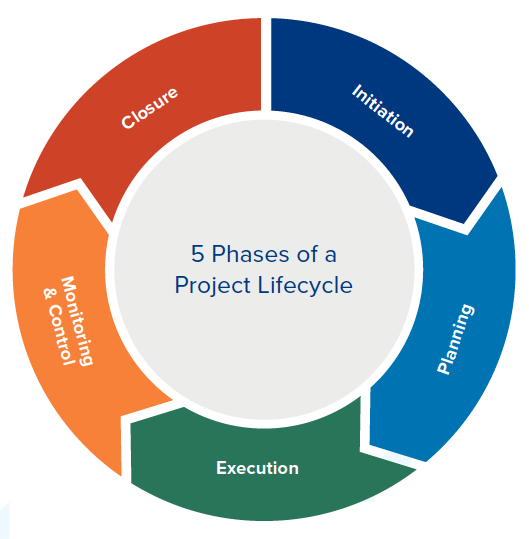
Although the specific phases may vary depending on the project management methodology used, there are typically five common phases in a project lifecycle: initiation, planning, execution, monitoring and control, and closure. Each phase serves a distinct purpose, from defining project objectives and creating a project plan to delivering the final outputs and conducting a post-project evaluation.
Grasping the fundamentals of project lifecycle management enables project managers to lay a strong foundation for their projects. The next chapter provides a comprehensive
overview of the project lifecycle, emphasizing its significance, the key stakeholders involved, and the challenges that may arise. With this knowledge, project managers can embark on their project journeys with confidence and a clear understanding of the path ahead.
Initiating the Project
Defining Project Objectives and Scope
The initiation phase is the starting point of a project, where the project objectives and scope are defined. This involves identifying the desired outcomes, deliverables, and benefits that the project aims to achieve. Clear and well-defined objectives help align the project team and stakeholders, providing a common understanding of what needs to be accomplished. Additionally, project scope defines the boundaries of the project, specifying what is included and excluded. It is essential to establish realistic and achievable objectives and scope to set the project on the right track from the beginning.
Conducting Feasibility Studies
Before committing resources and efforts to a project, it is crucial to assess its feasibility. Feasibility studies evaluate various aspects, such as technical, economic, operational, legal, and scheduling feasibility. This analysis helps determine whether the project is viable and aligns with organizational goals and resources. It allows
stakeholders to make informed decisions about proceeding with the project, modifying objectives, or exploring alternative approaches. Conducting thorough feasibility studies during the initiation phase minimizes the risk of undertaking projects that may prove unworkable or unprofitable in the long run.
Identifying Stakeholders and Their Requirements
Identifying and understanding project stakeholders is a critical step in the initiation phase. Stakeholders include individuals or groups who have a vested interest in or can
influence the project’s outcomes. It is essential to engage stakeholders early on to gather their requirements, expectations, and concerns. By involving stakeholders
from the beginning, project managers can gain valuable insights and build support and commitment for the project. This identification process lays the foundation for effective stakeholder management throughout the project lifecycle.
Developing a Project Charter
A project charter serves as a formal document that authorizes the existence of the project and provides a clear understanding of its objectives, scope, constraints, and stakeholders. It outlines the project’s purpose, defines the project manager’s authority, and establishes the project’s high-level requirements. Developing a project charter during the initiation phase helps align stakeholders, gain project sponsor approval, and set expectations. The project charter becomes a guiding document that shapes the project’s direction and provides a reference point throughout its lifecycle.
Establishing the Project Team and Roles
During project initiation, it is essential to assemble a capable project team and define their roles and responsibilities. This involves identifying the necessary
skills and expertise required for the project and selecting team members accordingly. Assigning roles and responsibilities clarifies expectations, promotes accountability, and ensures that all necessary tasks are covered. Building a cohesive project team in the initiation phase sets the stage for effective collaboration and lays the groundwork for successful project execution.
By effectively initiating a project, project managers establish a solid foundation for success. This chapter has explored the critical aspects of project initiation, including defining project objectives and scope, conducting feasibility studies, identifying stakeholders and their requirements, developing a project charter, and establishing the project team and roles. Through careful planning and consideration in the initiation phase, project managers can position their projects for smooth execution and set the stage for achieving the desired project outcomes.
This has been a preview of our eBook, “Project Lifecycle Management (PrLM): A Comprehensive Guide.
Click HERE to download the entire guide.
In part 3 of this three-part blog series, we will overview our whitepaper, “Software Defined Vehicles: Revolutionizing the Future of Transportation” Download the entire thing HERE and click here for part 1 and here for part 2.
Software Defined Vehicles Part 3: Revolutionizing the Future of Transportation
Future Trends and Considerations in Software Defined Vehicles
Evolution of Software Defined Vehicles
Software Defined Vehicles (SDVs) are continually evolving, driven by advancements in technology and changing consumer expectations. Several future trends and considerations will shape the future of SDVs:
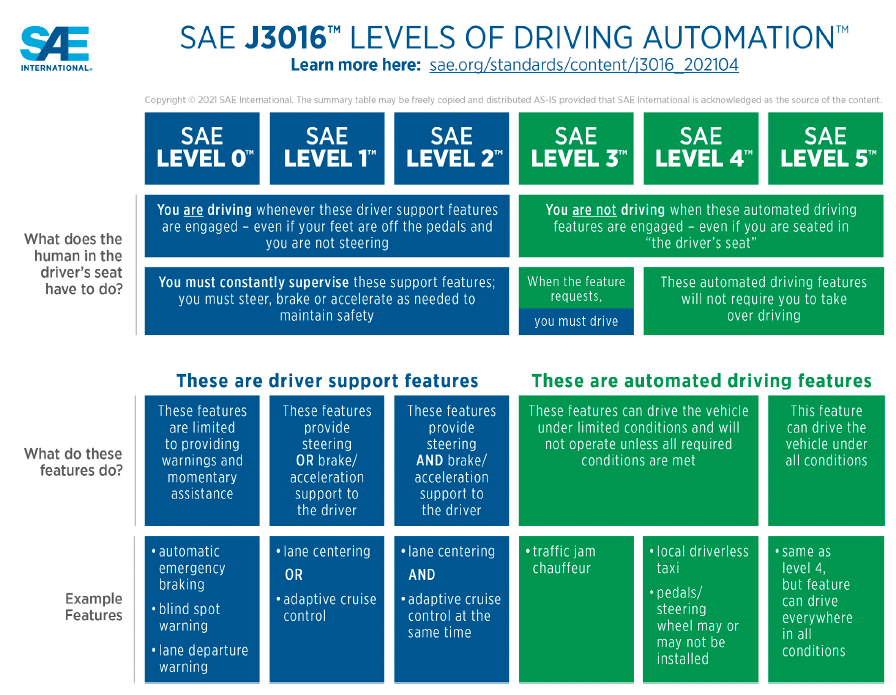
Increased Autonomy: SDVs will continue to progress towards higher levels of autonomy, with advancements in sensor technology, artificial intelligence, and machine learning. Fully autonomous vehicles that can operate without human intervention in specific environments and conditions will become more prevalent.
Connectivity and V2X Integration: SDVs will further integrate with Vehicle-to-Everything (V2X) communication, allowing vehicles to interact with other vehicles, infrastructure, and pedestrians. This connectivity will enable cooperative driving, efficient traffic management, and improved overall safety and efficiency on the roads.
Edge Computing and Cloud Integration: The integration of edge computing capabilities in SDVs will enhance real-time data processing and decision-making at the vehicle level. Additionally, cloud integration will enable seamless access to services, personalized settings, and advanced analytics for vehicle performance monitoring and predictive maintenance.
Advanced User Interfaces and Experiences: SDVs will feature enhanced user interfaces, including augmented reality displays, natural language processing, and gesture recognition. These interfaces will provide more intuitive and immersive user experiences, allowing drivers and passengers to interact seamlessly with the vehicle’s software features and services.
Regulatory and Legal Considerations
The development and deployment of SDVs bring forth a range of regulatory and legal considerations that need to be addressed:
Safety Regulations: Governments and regulatory bodies are actively developing safety regulations specific to autonomous vehicles and SDVs. These regulations aim to ensure the safety of occupants, pedestrians, and other road users, covering aspects such as system performance, emergency response protocols, and liability frameworks.
Data Privacy and Security: As SDVs generate and process vast amounts of data, protecting user privacy and ensuring data security become paramount. Legislation regarding data collection, usage, and storage will need to be in place to safeguard user information and prevent unauthorized access.
Liability and Insurance: The shift towards autonomous driving and SDVs raises questions about liability in the event of accidents or system failures. Clear guidelines and legal frameworks must be established to determine liability and insurance coverage in autonomous driving scenarios.
International Standards and Harmonization: Harmonization of standards across different regions and countries is crucial for the widespread adoption and interoperability of SDVs. Collaborative efforts among governments, industry stakeholders, and standardization bodies are necessary to establish common standards and facilitate global deployment.
Ethical Considerations
The development and deployment of SDVs also raise several ethical considerations that require careful consideration and discussion:
Decision-Making in Critical Situations: SDVs may encounter critical situations where split-second decisions need to be made, potentially involving the safety of occupants, pedestrians, or other vehicles. Determining ethical guidelines and frameworks for decision-making in such situations is essential to ensure responsible and ethical behavior.
Job Displacement and Economic Impact: The advent of autonomous driving technology may impact various industries, including transportation, logistics, and ride sharing. It is important to address the potential job displacement and economic impact of SDVs and explore strategies to mitigate any negative consequences.
Social Equity and Accessibility: SDVs should be designed and deployed in a manner that ensures accessibility and social equity. Considerations should be given to individuals with disabilities, elderly populations, and those who cannot afford traditional modes of transportation, ensuring that SDVs contribute to inclusivity and equitable access to mobility.
Decision-Making in Critical Situations: SDVs may encounter critical situations where split second decisions need to be made, potentially involving the safety of occupants, pedestrians, or other vehicles. Determining ethical guidelines and frameworks for decision-making in such situations is essential to ensure responsible and ethical behavior.
The Road Ahead for Software Defined Vehicles
The future of software defined vehicles holds immense potential for completely transforming the way we commute and interact with transportation systems. Several key areas will shape the trajectory of SDVs in the coming years:
Shared Mobility: SDVs will more than likely play a significant role in shared mobility services such as ride sharing and carpooling. Autonomous SDVs will enable more efficient utilization of vehicles, reduce traffic congestion, and provide cost-effective transportation options for individuals and communities.
Smart Cities Integration: SDVs will be integral to the development of smart cities. Through V2X communication, SDVs will interact with smart infrastructure, traffic management systems, and other vehicles, optimizing traffic flow, reducing emissions, and enhancing overall transportation efficiency.
Electric and Sustainable Mobility: The integration of SDVs with electric and hybrid powertrains will push the adoption of sustainable mobility solutions. Electric SDVs will contribute to reducing greenhouse gas emissions and dependence on fossil fuels, fostering a cleaner and more environmentally friendly transportation ecosystem and mindset.
Mobility as a Service (MaaS): SDVs will be a cornerstone of the Mobility as a Service concept, where transportation is viewed as a service rather than individual vehicle ownership. SDVs will be seamlessly integrated into multi-modal transportation networks, providing on-demand mobility options and personalized travel experiences.
Innovation and Collaboration
The realization of the full potential of SDVs requires innovation and collaboration among various stakeholders:
Industry Collaboration: Collaboration among automotive manufacturers, technology companies, and other industry players is essential for advancing SDV technologies. Partnerships can facilitate the sharing of expertise, resources, and best practices, accelerating the development and deployment of SDVs.
Research and Development: Continued investment in research and development (R&D) is crucial to drive innovation in SDV technologies. R&D efforts should focus on areas such as sensor technology, artificial intelligence, cybersecurity, and human-machine interfaces to further enhance the capabilities and safety of SDVs.
Regulatory Frameworks: Governments and regulatory bodies play a pivotal role in fostering the growth and safe deployment of SDVs. Regulatory frameworks need to strike a balance between safety requirements, innovation encouragement, and flexibility to accommodate evolving technologies and business models.
User Acceptance and Education: User acceptance and education are vital for the successful adoption of SDVs. Public awareness campaigns, educational programs, and interactive demonstrations can help familiarize people with SDV technologies, address concerns, and build trust in autonomous and software-driven systems.
Challenges and Considerations in Implementing Software Defined Vehicles
The implementation of Software Defined Vehicles comes with a set of challenges and considerations that need to be addressed for successful integration and deployment into the world. This chapter explores key challenges and provides insights into addressing them effectively.
Safety and Security
Safety Assurance: Comprehensive testing, validation, and verification processes should be in place to assess the functionality, reliability, and performance of SDV software and hardware components. Rigorous safety standards and protocols must be followed throughout the development lifecycle.
Cybersecurity: SDVs are susceptible to cybersecurity threats, including hacking, malicious attacks, and unauthorized access. Robust security measures, such as encryption, intrusion detection systems, and secure communication protocols, should be implemented to protect SDVs from potential vulnerabilities.
System Failures and Redundancy: SDVs should incorporate redundancy mechanisms and fail-safe systems to handle unexpected software or hardware failures. Redundant sensors, backup power sources, and fail-over mechanisms can enhance the robustness and reliability of SDVs.
Data Management and Privacy
Data Collection and Usage: SDVs generate vast amounts of data that need to be collected, processed, and analyzed. Clear guidelines and policies should be established regarding data collection, usage, and retention, ensuring compliance with privacy regulations and protecting user data.
Data Sharing and Interoperability: SDVs should have the ability to securely share relevant data with other vehicles, infrastructure systems, and service providers to enable efficient traffic management, cooperative driving, and enhanced situational awareness. Common data formats and interoperability standards should be developed to facilitate seamless data exchange.
Infrastructure and Connectivity
Communication Infrastructure: Robust communication infrastructure is crucial for the successful operation of SDVs. Reliable and high-bandwidth connectivity, including 5G networks and dedicated V2X communication channels, should be available to support real-time data exchange and enable effective communication between vehicles and infrastructure systems.
Infrastructure Readiness: The deployment of SDVs requires appropriate infrastructure readiness, including road markings, signage, and intelligent transportation systems. Governments and city planners need to invest in infrastructure upgrades and adaptations to support SDVs and ensure a smooth transition to an autonomous and connected transportation ecosystem.
It’s clear that the emergence of Software Defined Vehicles represents a transformative shift in the automotive industry and the way we perceive transportation and possibilities. SDVs have the potential to improve safety, enhance mobility, reduce congestion, and contribute to a more sustainable and connected future.
However, the successful integration of SDVs into our society requires concerted efforts from various stakeholders. Addressing technical challenges, developing robust regulatory frameworks, investing in infrastructure, and building public trust are crucial for realizing the full potential of SDVs.
As we navigate the complexities and opportunities presented by SDVs, it is essential to prioritize safety, inclusivity, ethical considerations, and public engagement. By fostering collaboration and embracing innovation, we can shape a new future.
This has been part 3 of a three-part blog series overviewing our whitepaper, “Software Defined Vehicles: Revolutionizing the Future of Transportation”
Download the entire thing HERE and click here for part 1 and here for part 2.
In part 2 of this three-part blog series, we will overview our whitepaper, “Software Defined Vehicles: Revolutionizing the Future of Transportation” Download the entire thing HERE – Click HERE for part 1 and HERE for part 3.
Software Defined Vehicles Part 2: Revolutionizing the Future of Transportation
Communication and Connectivity Infrastructure
The software-defined vehicle architecture relies on a robust communication and connectivity infrastructure to enable seamless interaction between various software components and external systems.
In-Vehicle Communication: Within the vehicle, communication buses such as Controller Area Network (CAN), Local Interconnect Network (LIN), and Ethernet provide the means for data exchange between different ECUs and software modules. These communication protocols ensure efficient and reliable communication, allowing software components to share information and collaborate.
Vehicle-to-Vehicle (V2V) Communication: SDVs leverage V2V communication to exchange information with other vehicles on the road. This communication enables cooperative functionalities such as platooning, where vehicles travel closely together to improve traffic flow and fuel efficiency. V2V communication also facilitates the sharing of critical safety-related information, helping to prevent accidents and improve overall road safety.
Vehicle-to-Infrastructure (V2I) Communication: SDVs interact with infrastructure components through V2I communication. This communication enables vehicles to connect with traffic management systems, smart traffic lights, tolling systems, and other infrastructure elements. By exchanging data with the infrastructure, SDVs can optimize their routes, receive real-time traffic updates, and improve overall efficiency and convenience.
Vehicle-to-Cloud (V2C) Communication: Cloud connectivity is an essential aspect of the software-defined vehicle architecture. SDVs can connect to cloud-based services and platforms to access a wide range of functionalities, including software updates, navigation data, real-time traffic information, and personalized services. V2C communication allows for seamless integration with mobile apps, remote vehicle management, and advanced analytics for vehicle performance monitoring and predictive maintenance.
The communication and connectivity infrastructure in software-defined vehicles encompasses a robust ecosystem including In-Vehicle communication, V2V(Vehicle-to-Vehicle), V2I (Vehicle-to-Infrastructure), and V2C (Vehicle-to-Cloud) networks, facilitating seamless data exchange, real-time decision-making, and intelligent coordination, ultimately redefining the future of mobility through enhanced safety, efficiency, and personalized experiences.
Hardware and Software Integration
The software-defined vehicle architecture requires seamless integration between hardware and software components to ensure efficient operation and optimal performance.
Central Processing Unit (CPU): The CPU acts as the core computational unit, hosting the software applications and executing the necessary algorithms. It provides the processing power and memory resources required to run multiple software functions simultaneously.
Electronic Control Units (ECUs): ECUs are responsible for controlling specific vehicle subsystems, such as powertrain, braking, steering, and infotainment. In SDVs, ECUs are typically interconnected and communicate with each other and the central processing unit to exchange data and coordinate actions.
Sensors and Actuators: Sensors play a crucial role in SDVs by collecting data about the vehicle’s surroundings, environment, and internal conditions. This data, combined with software algorithms, enables advanced functionalities such as adaptive cruise control, lane-keeping assistance, and collision avoidance. Actuators, controlled by software commands, convert digital signals into physical actions, allowing the vehicle to respond to various driving scenarios.
Human-Machine Interface (HMI): SDVs incorporate advanced HMIs that provide intuitive and interactive interfaces for users. Touchscreens, voice recognition, gesture control, and augmented reality displays enable drivers and passengers to interact with the vehicle’s software features, entertainment systems, and personalized settings.
Interaction with External Systems (V2X): SDVs are designed to interact with external systems through Vehicle-to-Everything (V2X) communication. V2X encompasses V2V, V2I, and Vehicle-to-Pedestrian (V2P) communication, enabling modern cars to exchange data and information with their surroundings.
Through V2X, SDVs can receive real-time traffic updates, weather information, and road condition alerts. They can also send notifications to walkers and cyclists to enhance safety. V2X plays a crucial role in enabling cooperative driving, efficient traffic management, and improving overall road safety.
Autonomous driving progress is driven by the integration of Advanced Driver Assistance Systems (ADAS). The term ADAS encompasses a range of technologies and functionalities that assist drivers in the driving process and enhance safety. These systems leverage sensors, different software algorithms, and connectivity to provide features such as adaptive cruise control, lane assistance, automatic braking, and blind-spot detection.
Machine Learning and Artificial Intelligence
Machine Learning (ML) and Artificial Intelligence (AI) play a pivotal role in the advancement of autonomous driving capabilities within SDVs.
ML algorithms allow vehicles to learn from data and improve their performance over time. They can analyze vast amounts of sensor data, identify patterns, and make predictions or decisions based on that information. ML algorithms enable SDVs to recognize objects, interpret road conditions, and adapt to dynamic driving situations.
Artificial intelligence, in combination with ML, enables vehicles to perform complex tasks, such as object detection and classification, path planning, and decision-making. Algorithms can process data in real time, allowing vehicles to respond to changing road conditions and make informed decisions for safe and efficient navigation.
The integration of ML and AI in SDVs is an ongoing area of research and development. As the technology evolves, vehicles will be more capable of handling complex driving scenarios and achieving higher levels of autonomy.
Safety and Security Considerations
Autonomous driving and SDVs introduce new safety and security considerations that must be carefully addressed.
Safety: SDVs must meet stringent safety standards to ensure the well-being of passengers and other road users. Safety considerations include robust fail-safe mechanisms, redundancy in critical systems, sensor validation and calibration, and real-time monitoring of vehicle performance. Additionally, rigorous testing, simulation, and validation processes are essential to ensure the reliability and safety of autonomous functionalities.
Security: As vehicles become more connected and reliant on software, cybersecurity becomes a critical concern. SDVs must implement robust security measures to protect against potential threats such as unauthorized access, data breaches, and malicious attacks. Secure communication protocols, encryption mechanisms, intrusion detection systems, and over-the-air software updates with built-in security features are crucial for safeguarding SDVs against cyber threats.
Regulatory bodies and industry organizations are actively working to establish standards and guidelines to address the safety and security aspects of autonomous driving and SDVs.
Over-the-Air Updates and Software Management in SDVs
Introduction to Over-the-Air (OTA) Updates
Over-the-Air (OTA) updates have revolutionized the way software is managed and updated in Software Defined Vehicles (SDVs). OTA updates enable the remote delivery and installation of software updates, patches, and new functionalities to vehicles without requiring physical intervention or visits to service centers.
SDVs leverage OTA updates to keep their software components up to date, introduce new features, improve performance, and address security vulnerabilities. OTA updates offer several benefits, including:
Efficiency and Cost Savings: OTA updates eliminate the need for vehicles to be taken to service centers for software updates, reducing downtime and operational costs. Manufacturers can deliver updates to a large fleet of vehicles simultaneously, streamlining the update
process and reducing logistical challenges.
Flexibility and Adaptability: SDVs can evolve and adapt to emerging technologies and customer needs through OTA updates. Manufacturers can introduce new features, improve existing functionalities, and address software bugs or security vulnerabilities without requiring hardware modifications. This flexibility ensures that vehicles remain up to date and can leverage the latest advancements in software technology.
Improved Safety and Security: OTA updates enable manufacturers to promptly address safety-related issues and deploy security patches to protect vehicles against evolving threats. By delivering updates in a timely manner, SDVs can enhance the overall safety and security of the vehicle and its occupants.
OTA Update Process
The OTA update process involves several stages, including:
Software Deployment: Manufacturers develop and validate software updates through rigorous testing and quality assurance processes. The updates are then securely deployed to a cloud-based server or a dedicated update server.
Communication and Notification: SDVs establish a secure connection with the update server using cellular networks, Wi-Fi, or other communication channels. The vehicle’s software periodically checks for available updates and notifies the user about the update availability.
Download and Verification: If an update is approved, the vehicle downloads the update package from the server. The downloaded package is verified using digital signatures or other cryptographic methods to ensure integrity and authenticity.
Installation and Validation: The vehicle initiates the installation process, which involves updating the necessary software components. After installation, the updated software is validated to ensure correct functionality and compatibility.
Rollback and Recovery: In the event of an unsuccessful update or issues encountered after the update, SDVs may incorporate rollback mechanisms that revert to the previous version of the software. This ensures that the vehicle remains operational and minimizes potential disruptions.
Challenges and Considerations
While OTA updates offer significant benefits, there are challenges and considerations that need to be addressed:
Bandwidth and Connectivity: Reliable and high-bandwidth connectivity is crucial for successful OTA updates. SDVs must have robust communication capabilities to handle large update packages and ensure uninterrupted downloads and installations. In regions with limited connectivity, alternative solutions such as offline updates or staged deployments may be necessary.
Security and Authentication: OTA updates must be implemented with robust security measures to prevent unauthorized access and ensure the integrity and authenticity of update packages. Secure communication protocols, encryption mechanisms, and strong authentication methods are vital to protect against potential cyber threats and ensure the trustworthiness of the update process.
User Consent and Preferences: SDV users should have control over the update process, including the ability to schedule updates, opt-out if desired, and specify preferences for updates. Clear communication and user-friendly interfaces are essential to ensure transparency and a positive user experience.
Validation and Compatibility: Thorough testing and validation processes are crucial to ensure that updates are compatible with the vehicle’s hardware, software ecosystem, and existing functionalities. Manufacturers must validate updates to minimize the risk of introducing new issues or incompatibilities that could impact the vehicle’s performance and safety.
This has been part 2 of a three-part blog series overviewing our whitepaper, “Software Defined Vehicles: Revolutionizing the Future of Transportation”
Download the entire thing HERE and click here for part 1 and stay tuned for part 3 of this series.
Leveraging Jama Connect® for Effective Development of Combination Products
Developing combination devices, also called combination products, such as inhalers or injectables, is a complex and interdisciplinary endeavor that lies at the intersection of pharmaceuticals, biologics, engineering, and medical science. These innovative devices are designed to provide patients with a more convenient and effective way to administer medications.
One of the primary objectives in developing combination products is to enhance treatment adherence, particularly in chronic conditions where consistent medication delivery is critical. By combining medication with a delivery system, patients can receive accurate doses, reducing the risk of errors and ensuring that the therapeutic benefits are maximized.
Requirements management tools such as Jama Connect® have become indispensable assets in the product development process, helping streamline the complexities involved in producing safe and effective combination devices.
This article explores how Jama Connect can prove invaluable in areas such as reuse/variant management, hazard library maintenance, compliance standards, integrated risk management, and expeditious reviews, making it an essential tool for engineers and developers in the medical field.
The development of combination devices often involves integrating a complex hierarchy of requirements, from User Needs and System Requirements, down through Risk Evaluations, Subsystems, and Verifications and Validations. Maintaining proper traceability throughout the product development lifecycle is a vital component of developing safe and effective products. Jama Connect allows development teams to simplify this process by enabling Live Traceability™ between development artifacts. Product development team can establish traceability, ensuring that every design element, from the software components to physical hardware, aligns with the initial requirements. This robust traceability is essential for regulatory compliance and safety, particularly in the medical device industry.
Requirements Reuse
Combination product teams often face added levels of complexity in their development process as they work to adapt product designs to the specific requirements of multiple applications, and the diverse regulatory demands across markets. Jama Connect allows for the efficient reuse of requirements, hazards, risk assessments, and verification testing across projects, enabling development teams to take a platform approach to their development process, track the evolution of variants, assess the impact of change across all their systems, and ensure compliance with international standards is maintained. This significantly reduces redundancy, minimizes errors, and speeds up development cycles.
Compliance with Standards
Combination devices must adhere to stringent regulatory and quality standards, such as ISO 13485, ISO 14971, ISO 11608, and FDA requirements. Jama Connect aids in aligning the project with these standards by providing tools for document control, validation, and verification. It supports the creation of audit trails, which are essential for proving compliance. This streamlines the certification process and minimizes the risk of non-compliance.
Integrated Risk Management
Risk Management is a critical component of developing combination products, but development teams often struggle with highly disconnected risk management processes. Jama Connect’s integrated risk management capabilities allow teams to proactively identify, assess, and mitigate risks throughout the development process, and ensure Live Traceability between risk evaluations and controls. Risk matrices, failure mode and effects analysis (FMEA), and other risk management methodologies can be seamlessly integrated into the development workflow, ensuring that potential issues are addressed early and efficiently.
Hazard Library Management
Safety is of paramount importance in the development of combination products. Maintaining a comprehensive library of hazards, both known and potential, is crucial to mitigate risks effectively. Jama Connect facilitates the organization and accessibility of this critical information. It allows engineers to define, document, and classify hazards and their corresponding risk assessments. This central repository ensures that hazard management remains an integral part of the design process and that safety remains a top priority.
Efficient Reviews
Efficient and timely reviews are vital in the development of combination devices, as they help uncover issues, assess design tradeoffs, and ensure alignment with requirements. Jama Connect simplifies the review process by offering a collaborative platform for stakeholders to provide feedback, track changes, and sign off on design decisions. This collaborative approach fosters effective communication and reduces the time required for reviews, expediting the overall development cycle.
Developing combination products, which encompass a wide range of medical innovations, requires a multidisciplinary approach and careful management of various elements. Jama Connect is a powerful requirements management tool that streamlines the development process in multiple ways, from facilitating requirements reuse and variant management to managing hazard libraries, ensuring compliance, and integrating risk management.
By leveraging Jama Connect, product development teams can significantly improve their efficiency, reduce errors, enhance safety, and expedite the development of combination products while maintaining the highest standards of quality and regulatory compliance.
Jama Connect® is Awarded the TrustRadius Triple Crown for Requirements Management Software!
Jama Connect® has gained recognition as an outstanding solution on TrustRadius, solidifying its position as a leading platform for requirements, risk, and test management.
With its intuitive interface, robust features, and exceptional customer support, Jama Connect has received the following prestigious awards in 2023: Best Of, Feature Set, Pricing, and Relationship.
Visit the full report to see why customers love using Jama Connect for product, systems, and software development.
This recognition underscores Jama Software’s unwavering commitment to delivering a reliable and efficient solution that empowers teams to drive innovation and achieve exceptional results.
As the leading provider of requirements management software, Jama Software is proud to receive recognition for our commitment to enabling multidisciplinary engineering organizations developing products, systems, and software to maximize their success. We value the feedback from our clients who have used Jama Connect and are committed to providing them with the best support, resources, and expertise to help them succeed.
“Jama Connect is a solid framework for systems engineering that can integrate many design processes into a single tool. At a fundamental level, it is a great tool for handling requirements management and traceability but offers a variety of other features such as risk management and verification and validation. For someone who works in the medical device industry, the tool also complies with CFR requirements for electronic approvals and can be validated for such use.”
-From review collected and hosted on TrustRadius – User in Engineering, Medical Devices Company
“I’m VERY likely to recommend Jama to a colleague because they’d struggle to get anything done without using it! That’s the tool we’re using for Req Management now, so I recommend to my colleagues that they get amongst it!”
-From review collected and hosted on TrustRadius – Ian Webb, Systems Engineering Technical Writer – Enphase EnergyElectrical & Electronic Manufacturing
From all of us at Jama Software® to all of you, thank you!
In this blog, we’ll recap our whitepaper, “Cybersecurity in the Air: Addressing Modern Threats with DO-326A” Click HERE to read the entire paper.
Cybersecurity in the Air: Addressing Modern Threats with DO-326A
Introduction
Not long ago, getting on an airplane meant being largely out of touch with everyone on the ground for the duration of one’s flight. Of course, there were in-flight telephones for those who could afford them, and pilots could connect with personnel on the ground in case of emergency, but the rank-and-file passenger had limited options for connecting with the world outside the aircraft.
The 21st century has changed flying from a largely isolated endeavor that exists in a closed loop to one that integrates with ground systems through the miracle of the Internet. For travelers who want to enjoy their own personal entertainment options, conduct business, or take advantage of downtime to do online shopping, accessing the Internet during a flight is a tremendous boon. For air freight carriers and their customers, Internet connectivity improves visibility and streamlines supply chains with better real-time information.
Of course, the advantages of connectivity come with disadvantages as well. The more airborne systems are interconnected with the broader Internet, the more vulnerable systems are to hacking. In 2015, a researcher was kicked off a United Airlines flight after tweeting about security vulnerabilities; the researcher claimed to have accessed in-flight networks multiple times between 2011 and 2014, including one time when he allegedly commandeered the plane. In 2016, the US Department of Homeland Security hacked the system of a Boeing 757 using “typical stuff that could get through security.” And in 2022, Boeing announced a software update to repair a vulnerability that could allow hackers to modify data and cause pilots to miscalculate landing and take-off speeds.
Aviation cybersecurity has become a critical issue across the globe. Not only do millions of passengers depend on airlines to get them safely from point A to point B every day, but manufacturers, shipping services, and militaries rely on aircraft systems to support supply chains and execute missions. Cyberattacks have skyrocketed since the onset of the COVID-19 pandemic; a 2022 report found a 140% increase in cyberattacks against industrial operations — including four attacks that caused flight delays for tens of thousands of passengers.
Clearly, aviation systems can be vulnerable to malicious actors. For developers and manufacturers in the aviation industry, DO-326A provides compliance guidelines to address the vulnerabilities of avionics systems.
Known as the “Airworthiness Security Process Specification,” DO-326A (and its European counterpart, ED-202) is the aviation cybersecurity standard developed jointly by the Radio Technical Commission for Aeronautics (RTCA) and the European Organisation for Civil Aviation Equipment.
The original edition, DO-326, was issued in 2010; its revised version, DO-326A, was issued in 2014. The standard became mandatory in 2019.
The DO-326A/ED-202A set focuses primarily on how to prevent malware that can infect avionics systems during both development and flight operations. A cyberattack on these critical systems can impact how the aircraft works and potentially endanger operators and passengers. DO-326A/ED- 202A describes the Airworthiness Security Process that one should follow.
What is Airworthiness/Airworthiness Security Process?
“Airworthiness security” involves protecting an aircraft from intentional unauthorized electronic interaction, including malware, ransomware, and other cyber threats.
The Airworthiness Security Process (AWSP) is intended to establish that aircraft will remain safely operable if it is subjected to unauthorized interaction.
DO-326A outlines the Airworthiness Security Process in seven steps:
1. Plan for Security Aspects of Certification (Aircraft Level Planning/System Level Planning)
2. Security Scope Definition (Threat Assessment Process)
3. Security Risk Assessment (Threat Assessment Process)
4. Decision Gate (Threat Assessment Process)
5. Security Development (Definition of Security Measures and Requirements)
6. Security Effectiveness Assurance (Verification and Validation of Security Measures and Requirements)
7. Communication of Evidence (PSecAC Summary Reporting)


![[Webinar Recap] Effective Strategies and Solutions for Successful SaMD Project Execution](https://www.jamasoftware.com/media/2023/12/Effective-Strategies-and-Solutions-for-Successful-SaMD-Project-Execution-1.png "[Webinar Recap] Effective Strategies and Solutions for Successful SaMD Project Execution")